

 当前位置:
胶温一飘,全框白涂
时间:2026-11-18 来源:https://www.jncsjx.com/ 发布人:昌盛机械
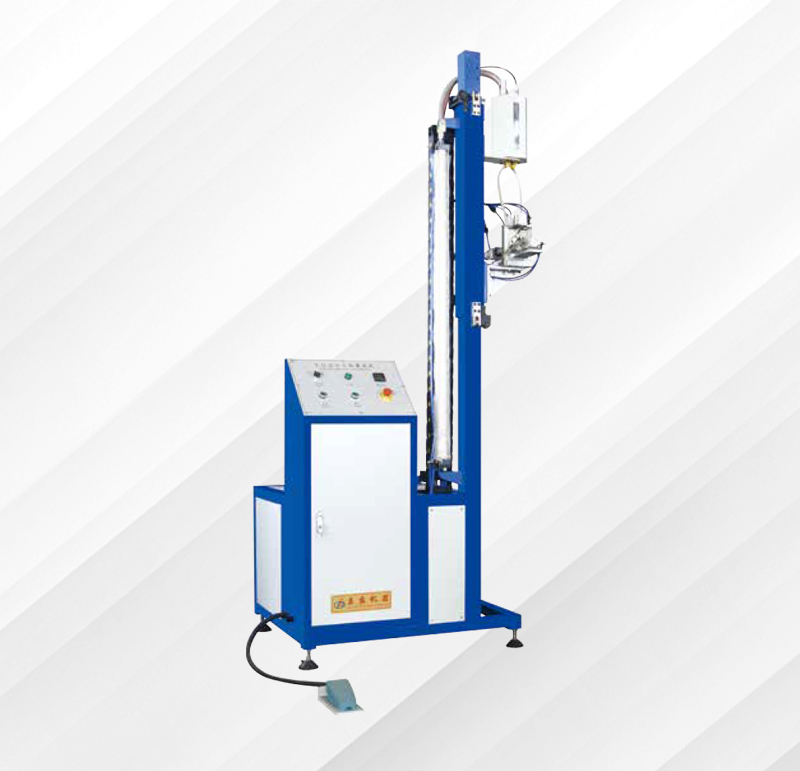
中空玻璃起雾、进水,很多不是原片不行,是第一道丁基胶没涂匀。立式丁基胶涂布机看着就那几步:胶缸加热、泵挤、胶嘴吐到铝条两侧。可真跑起来,断胶、拉丝、气泡、内溢,全从这台机子里冒出来。
Hollow glass fogging and water ingress are often caused by uneven application of the first layer of butyl rubber, which is not the same as the original sheet. The vertical butyl rubber coating machine only has a few steps: heating the rubber cylinder, pumping, and spraying the rubber nozzle to both sides of the aluminum strip. It really runs, with broken glue, wire drawing, bubbles, and internal overflow all coming out of this machine.
先说温度。丁基胶是热熔型,常温固态,得加热到 110–140℃ 才好挤。胶缸一般压在 110–120℃,胶嘴/挤胶座比缸体高 5–15℃,机头略热一点,出嘴才顺。 温度低了,熔体发稠,挤不动就断线;温度高了,胶太稀,出嘴拉丝、合片后往里爬,甚至高温裂解出微气泡,胶条表面起毛刺。 换胶种别照搬老参数,不同厂家配方热熔点不一样,先手动试打:太稀就降 5℃,不出胶或不粘铝条就升 5℃。
Let's talk about temperature first. Butyl adhesive is a hot melt type that solidifies at room temperature and needs to be heated to 110-140 ℃ for extrusion. The glue cylinder is generally pressed at 110-120 ℃, and the glue nozzle/extrusion seat is 5-15 ℃ higher than the cylinder body. The machine head is slightly warmer, and the nozzle is only smooth. When the temperature drops, the melt thickens and breaks when it cannot be squeezed; The temperature is too high, the glue is too thin, and after drawing and laminating, it crawls inward, even cracking into microbubbles at high temperatures, causing burrs on the surface of the glue strip. Do not blindly follow the old parameters when changing the glue type. The melting point of different manufacturers' formulas is different. First, manually test the glue: if it is too thin, lower it by 5 ℃, and if it does not produce glue or stick to the aluminum strip, raise it by 5 ℃.

再说压力和时间。出胶压力不是越大越好,健康区间大致 0.8–1.2 MPa,超过 1.5 MPa 还在憋,多半是胶温没到、熔体太稠,这时候加压只会虚接。 两胶头间距按“铝条宽度 +1 mm”调,压轮、胶嘴中心、铝条侧边三点一线,偏一点就单边不沾。 定时器要卡三个点:铝框前端到胶嘴中心开喷、末端过左压轮前抬轮、末端离嘴关阀,晚关一瞬就拖尾漏胶。
Speaking of pressure and time. The greater the adhesive pressure, the better. The healthy range is roughly 0.8-1.2 MPa, and if it exceeds 1.5 MPa, it is still holding. This is mostly due to the adhesive temperature not being reached or the melt being too thick. At this time, applying pressure will only result in virtual bonding. The distance between the two adhesive heads should be adjusted according to the width of the aluminum strip+1mm. The pressure wheel, the center of the adhesive nozzle, and the side of the aluminum strip should be aligned at three points. If it deviates slightly, it will not stick to one side. The timer needs to be stuck at three points: start spraying from the front end of the aluminum frame to the center of the glue nozzle, lift the wheel before passing the left pressure wheel at the end, and close the valve when the end is away from the nozzle. If it is closed too late for a moment, there will be trailing and leaking glue.
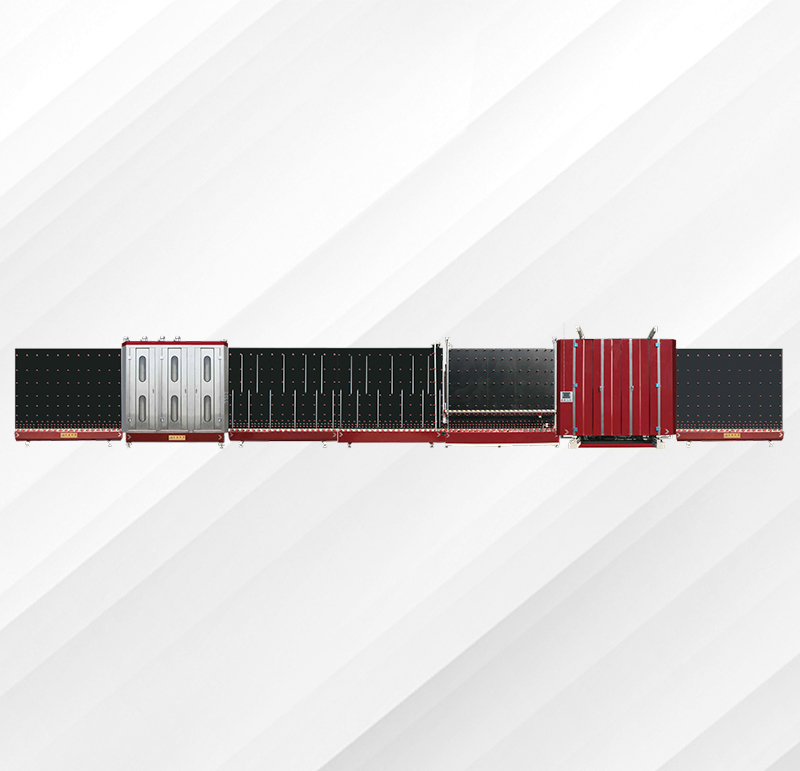
立式机跟卧式非常大的不同是“走线快”。铝条竖着送,节拍跟着连线跑,速度一变出胶量得同步变,靠手调跟不上,得让 PLC 按单位长度挤出量自动跟速。 大板幕墙、高产能、要连线,立式占优;家装小单、多品种换规格,卧式反而灵活。
The biggest difference between vertical and horizontal machines is "fast wiring". The aluminum strip is fed vertically, and the rhythm follows the connecting line. As the speed changes, the amount of glue produced also changes synchronously. If you can't keep up with it by hand, you have to let the PLC automatically follow the extrusion rate per unit length. Large panel curtain wall, high production capacity, requiring connection, vertical has the advantage; Home decoration small orders, changing specifications for multiple varieties, while horizontal ones are more flexible.
停机再启动是虚接高发点,顺序别跳:各温区到设定值后恒温满 30 分钟、偏差 ≤±2℃ → 连续排废胶 300 ml 以上(停超 4 小时排 500 ml)到胶条黑亮无泡 → 铜片清嘴口积胶,别用铁器敲 → 首件涂完 30 秒内压合 → 切开断面看致密无气线,合格再批产。
Stopping and restarting is a high-risk point for virtual connection. Do not skip the sequence: after each temperature zone reaches the set value, maintain a constant temperature for 30 minutes with a deviation of ≤± 2 ℃ → continuously discharge more than 300 ml of waste adhesive (discharge 500 ml after stopping for more than 4 hours) until the adhesive strip is black and shiny without bubbles → clean the adhesive accumulation at the mouth of the copper sheet, do not use an iron tool to knock it → press the first piece within 30 seconds after coating → cut the section to see a dense and airless line, and only produce if it is qualified.
还有个隐账:冬天车间低于 15℃,铝条和玻璃基材一冷,胶一碰就凝,看着涂上了其实虚粘。红外枪测基材温度,低温天胶缸胶嘴各升 5–10℃,涂完 30 秒内建议进压合机;夏天超 35℃反过来降 5–10℃、略减压,不然溢胶内爬。
There is also a hidden account: in winter, when the temperature in the workshop is below 15 ℃, the aluminum strips and glass substrates will solidify as soon as they are cold, and the glue will stick to them. It looks like it has been coated, but it is actually a virtual adhesive. Measure the substrate temperature with an infrared gun, and raise the temperature of the low-temperature glue cylinder nozzle by 5-10 ℃. Within 30 seconds after coating, it must be fed into the laminating machine; In summer, if the temperature exceeds 35 ℃, it will decrease by 5-10 ℃ and slightly reduce the pressure, otherwise the glue will overflow and climb inside.
丁基胶这道活,参数就三个旋钮——温度管熔体、压力管出量、速度管同步。三个咬住,中空玻璃的寿命才从“涂胶那一刻”开始算,不是等起雾了再回头查原片。
The process of butyl rubber involves three knobs for parameters - temperature tube melt, pressure tube output, and speed tube synchronization. Three bites, the lifespan of the insulating glass only starts counting from the moment it is coated with glue, not waiting until the fog starts before looking back at the original piece.
- 断胶先查温度 2026/11/20
- 胶温一飘,全框白涂 2026/11/18
- 折弯先看回弹量 2026/11/16
- 封胶线先看转角 2026/11/14
- 灌分子筛的隐形时钟 2026/11/12
- 一条线跑顺,先别只盯“全自动”三个字 2026/11/09
- 涂得准却压不上,卡在工序接缝那几秒 2026/11/06
- 胶条断在第三边,锅不一定在机器 2026/11/04
- 0.5毫米的偏差,整窗质保直接归零 2026/11/02
- 别看参数表,先看今天车间里堆的是哪种框 2026/10/30
 产品分类Product categories
 联系我们Contact us