

 当前位置:
当前位置:卧式丁基胶涂布机:中空玻璃防起雾,密封达标关键设备
时间:2026-03-13 来源:http://www.jncsjx.com/ 发布人:昌盛机械
起雾是不是就代表这块玻璃已经是失效了是吧,是是,那起雾的核心点是不是就是胶已经失效了呢。
Does fogging mean that this piece of glass has already failed? Yes, yes, the core point of fogging is that the adhesive has already failed.
跟我们赵老师一起聊聊,我们玻璃里面最重要的一个,决定了玻璃的一个密封性的一个品类啊,胶胶有两道,一个是丁基胶,一个是硅酮密封胶,一个玻璃的组成,这常规的中空玻璃啊,黑的这一道是丁基胶,外面这个浅一点的黑色是硅酮密封胶,丁基胶粘在哪里呢,粘在我们的间隔条上面,其中的丁基胶还分什么呢,还要重点聊到现在市面上最热、最热的东西,c s g ,CSG 还是顶级机哦,它从源头上讲,它就是顶级,再聊一下什么呢,就是超级暖边那个,何老师,那先先分门别类吧。
Let's talk to Teacher Zhao about the most important category in our glass, which determines the sealing performance of the glass. There are two types of adhesive, one is butyl adhesive and the other is silicone sealant. The glass is composed of two layers. For conventional insulated glass, the black layer is butyl adhesive, and the lighter black layer on the outside is silicone sealant. Where is the butyl adhesive? It sticks to our spacer strip, and what are the other types of butyl adhesive? We also need to focus on the hottest and hottest things on the market now, such as CS G, CSG or top-level machines. From the source, it is top-level. Let's talk about what is super warm edge. Well, Teacher He, let's first categorize them.
你把这块玻璃给我,在我们的手里,这块中空玻璃它是双道密封,它采用的材料就是里头有一个间隔条,我们不去聊这个间隔条是铝的还是不是有钢的,还是软边的,那么它就是一个间隔条,起的作用就是支撑这个玻璃的厚度,那么在这个间隔条上头呢,我们正常的中空玻璃双道密封,就第一道,必须要在这个间隔条上打上一道丁基胶,中空玻璃本身的一个性能指标,首先一个就是密封性,第二呢,耐久性、耐用性,最近客户问我最多的啊,起雾是不是就代表这块玻璃已经是失效了是吧,那起雾的核心点是不是就是胶已经失效了呢,其起雾的原因有好几个,中空玻璃起雾就是里头怎么会产生水汽了,对,水怎么进去的,做的时候的好像是没看见水,对,那么现在有了,那么这里头的水是从哪里来的?
Can you give me this piece of glass? In our hands, this insulating glass is double sealed and made of a material with a spacer strip inside. We won't talk about whether the spacer strip is aluminum, steel, or soft edged. Instead, it is a spacer strip that supports the thickness of the glass. On top of this spacer strip, our normal double sealed insulating glass requires a layer of butyl adhesive to be applied. One of the performance indicators of the insulating glass itself is sealing performance, and secondly, durability. Recently, customers have asked me the most about whether fogging represents this piece of glass. It's already expired, isn't it? Is the core of the fogging caused by the adhesive already malfunctioning? There are several reasons for the fogging, The fogging of insulating glass is due to the generation of water vapor inside. Yes, how did water enter? It seems like I didn't see any water when I made it. Yes, now that I have it, where did the water in this area come from?
这里头有三个方面,第一个方面呢,就是我们如果是间隔调,中空玻璃里头肯定有分子筛,这个分子筛的,如果是合格的分子筛,那么指的他的吸收水汽的能力是非常强的,这个就是咱们玻璃里面那个,这个是我们的暖边条啊,这个就是分子筛,比如说我手上手上假如说有水汽的话,它会吸吸潮的,这个分子筛就是我们空腔里面,但凡如果说进了湿气了以后,就靠它这个来吸收湿气,嗯,没用了呢,就是玻璃的另外一个问题
There are three aspects here. The first one is that if we use interval adjustment, there must be a molecular sieve in the insulating glass. If it is a qualified molecular sieve, then its ability to absorb water vapor is very strong. This is the one on the inside of our glass, this is our warm edge strip, and this is the molecular sieve. For example, if there is water vapor on my hand, it will absorb moisture. This molecular sieve is inside our cavity. Once moisture enters, it relies on it to absorb moisture. Well, it's useless. That's another problem with glass
除了自爆啊,就起雾,如果说我们装好了玻璃以后,这个玻璃里面有雾气了,那你们也要通知我的这个玻璃已经失效了,这就他漏漏漏气了是吧,我的玻璃漏水,嗯,没水就这样,嗯,吸收,吸收水气的,这个,这个罐装多少也是有的,一定要灌装70%以上,如果你灌装的少,像有一些灌一点点也不行的,嗯,这个颜色适合吸,吸的还蛮快,你看这个是不是在吸了,颜色已经深了啦,对,就咱们手上不是倒了点水吗,它就开始吸收我们手上的这个水湿气,它滴吸完了,对,吸完了以后它的颜色就变化了,这个其实就是分子筛
Besides self destructing, it also fogges up. If there is fog inside the glass after we install it, you also need to notify me that the glass has failed. This means that it is leaking and leaking, right? My glass is leaking water, and there is no water, so it is absorbing and collecting moisture. There are also some cans that can absorb moisture, and they must be filled at least 70%. If you fill too little, like some that can't be filled even a little bit. Hmm, this color is suitable for absorption, and the absorption is quite fast. Do you think this is absorbing? The color is already dark. Yes, we poured some water on our hands, and it began to absorb the moisture in our hands. After it drips, yes, its color changes. This is actually a molecular sieve
然后有些呢,拿干燥剂干干燥的哦,这干燥剂跟分子砂是不一样的产品,干干燥,干燥剂,那真的是热的,热的很快了,但这个吸潮能力很大的,吸完以后就变颜色了,很明显颜色就变了吧,对,就水多的地方嘛,你看我们拆出来的,咱们这块玻璃开拆出来的颜色都没变,说明这块玻璃空腔里面是非常没有问题,是很干燥的人,对它就没有任何的湿气,它吸收完了以后,比如说我拆出来里面都是变了颜色的了,那这块玻璃说明里面它其实已经失效了,合格的分子筛它是密封包装的,我们把它打开装到铝框里,或者是这个间隔条里的话,要在最短的时间里把这个胶封起来,呃,分子筛最小程度的在空气中,柳氏有一有一个规范的标准,分子塞装到铝框里以后,40分钟以内封上胶,而且是空气湿度,是要满足生产中空玻璃的条件,空气湿度不能大于50%,超过的话,那么它的吸收水汽的能力已经丧失了。
And then there are some, using desiccants for drying. These desiccants are different products from molecular sand. Drying desiccants are really hot, they heat up quickly, but they have a great ability to absorb moisture. After absorbing, they change color. It's obvious that the color changes. Yes, it's only in areas with a lot of water. Look at what we removed, the color of our glass didn't change when we opened it, indicating that there is no problem inside this glass cavity. It's a very dry person, so there is no moisture in it. After it absorbs, for example, when I removed it, the color inside has changed. So this glass has actually failed. It's qualified. Molecular sieve is packaged in a sealed manner. If we open it and put it in an aluminum frame or this spacer strip, we need to seal it with glue in the shortest possible time, The minimum level of molecular sieve in the air is regulated by Liu's standard. After the molecules are packed into the aluminum frame, they should be sealed with glue within 40 minutes, and the air humidity should meet the conditions for producing insulating glass. The air humidity should not exceed 50%. If it exceeds this limit, its ability to absorb water vapor has been lost.
我归纳总结一下,我们玻璃起雾的第一个原因,跟分子筛有关系,其实在生产过程当中,就已经决定了你玻璃为以后的起雾问题了,如果你生产的时候,这个分子筛已经在吸收水汽了,就超过40分钟,它已经吸收了我们生产的,比如说我们在一个湿度很大的环境下,来生产中空玻璃,对不对,这里面的分子筛已经在吸收,我们玻璃厂里面的这个湿气了,它吸收好了以后装到家里面,它分子筛已经没用了。
To summarize, the first reason for fogging of our glass is related to molecular sieves. In fact, during the production process, the fogging problem of your glass has already been determined. If you produce it and the molecular sieve has been absorbing water vapor for more than 40 minutes, it has already absorbed what we produce. For example, if we produce insulating glass in an environment with high humidity, right? The molecular sieve inside is already absorbing the moisture in our glass factory. After it is absorbed and installed in your home, the molecular sieve is no longer useful.
首先我们玻璃起雾的第一件事情,如果你分子筛还有用,它是不会起雾的,只要还有作用,它不断的吸收我们玻璃里面的潮气,我关注的是个胶,我们的水汽进入一个是堵住,不让它进去,还有一个是进去以后怎么样吸收,对吧,分子筛是进去了以后怎么吸收的,是我现在要讲的是他怎么进去的,就是客户最大的一个问题,我外面这道胶不是堵的好好的吗,他怎么会进去呢?
Firstly, the first thing that causes fogging in our glass is that if the molecular sieve is still useful, it will not fogg up. As long as it is still useful, it continuously absorbs the moisture inside our glass. What I am concerned about is the glue. When our moisture enters, one is blocked to prevent it from entering, and the other is how it is absorbed after entering. Right? The molecular sieve absorbs after entering, and now I want to talk about how it enters. This is the biggest problem for customers. Isn't the glue outside of me blocked properly? How could it enter?
这个就是起雾的事情,就是外道胶杯桶密封胶不防水汽,对它的水汽透过力很大,他自己没有密封的一个作用,我这里要跟大家重点讲一讲啊,外道胶就这道浅的这道胶,因为传统客户来说,这道胶封好了以后,水是进不去的,我也以前是这么认为的,你换了所有的普通客户来说,都觉得你胶封的好好的,水怎么会进去?
This is the problem of fogging, which is that the outer layer of rubber cup and barrel sealant is not waterproof and has a strong water vapor transmission force. It does not have a sealing function on its own. I want to focus on this. The outer layer of glue is only this shallow layer, because for traditional customers, after this layer of glue is sealed, water cannot enter. I used to think so. All ordinary customers think that you have sealed it well, so how could water enter?
但是这个叫硅酮密封胶,水汽是透过的,对对的对的,他的损失脱钩率很大,跟丁基胶来比的话,他的要说倍速的话要达到120倍以上,120倍至200倍,这样的一个真正防水,其实知道定技就要对,所以我们这个玻璃架在我们的框上面,这个框里面有水的情况下,是源源不断湿气从这里面再透进来,对,是不是,是的,所以刚刚赵老师说的时候,透进来的时候就是靠分子筛在那吸氧,嗯,是不是,是的,但稀总有吸饱的一天的吧,那么最主要的就是丁基胶跟分子筛两样。
But this is called silicone sealant, and water vapor passes through it. Yes, yes, yes. Its loss decoupling rate is very high. Compared with butyl sealant, it needs to achieve a speed increase of more than 120 times, 120 times to 200 times. To truly waterproof, we need to know the specific technology. So, our glass frame is on top of our frame. When there is water in this frame, a continuous stream of moisture enters from here. Yes, yes, yes. So when Teacher Zhao just said that when it enters, it relies on molecular sieves to absorb oxygen. Hmm, yes, yes, but there is always a day when it is fully absorbed. So the most important thing is butyl. Glue is like molecular sieve.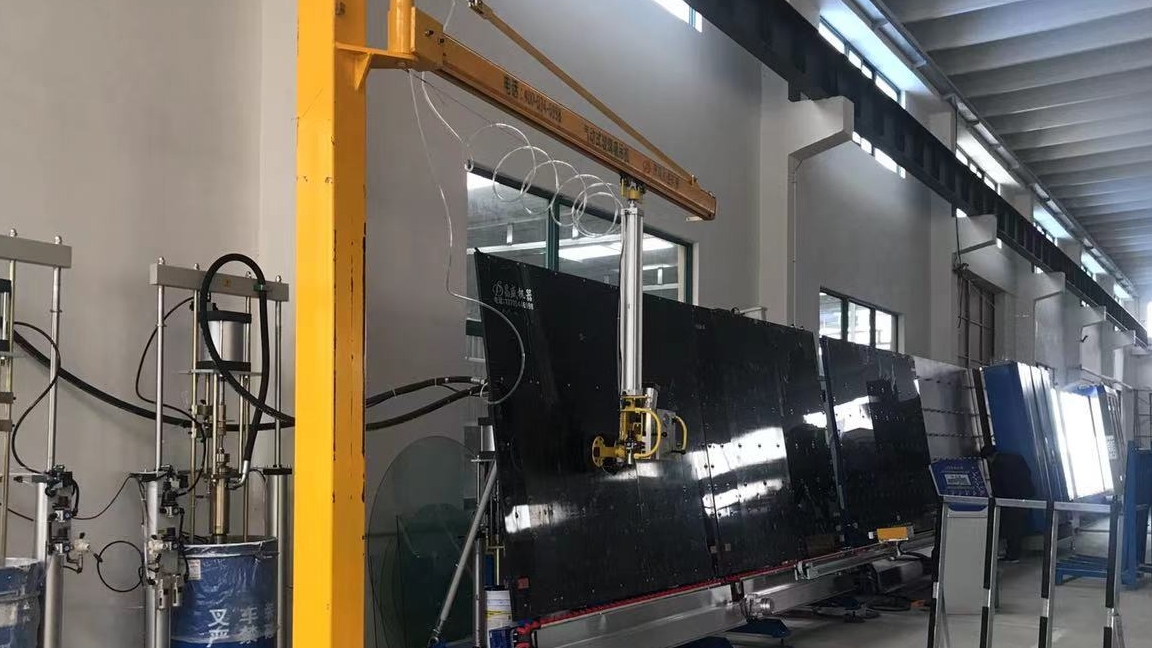
那么间隔条为什么说它也是其中的一个东西呢,主要是间隔条,它的折弯了以后,最后有一道,哎,接口,接口断点,对对,接口呢,就是两个连接件,我们很多的这个中空玻璃生产厂家,对这个连接件他是不重视的,他没有去把这个连接件用电机胶爆封起来封好,对,哎,那这好比是什么呢,好比是我们有一个气球,这个气球它没有漏洞,它的密封性是达到要求的,我们吹一吹,吹到了这个吹大了以后怎么没扎紧,有一点小的缝,那不里的气泵慢慢的要透出来吗,这这这扎口的这个地方,刀老师,你说的就这个点,对,折折弯铝条在这个点,正常来说这个点要拿定期胶再抹一道,对这个定级胶要膜很重要,要抹,如果没抹,那这块中空玻璃它也是漏气的,我们如果把这个丁基胶这个口封起来了,两侧涂上的钉机胶,没有漏洞和好片,这块中空玻璃也不会起雾,多长时间不会起雾,永远不会有这么夸张吗,对,真的永远不会,那么但是你永远不会,他有丁基胶的结构强度,它不是很够的,会出现什么问题呢,他假设这个中空玻璃在特定的条件下,它开来了,那就有了一个小腹,就说的就热胀冷缩性,是不是,哎,各种撕裂、撕裂或者外力,就夏天的时候大家都在讲嘛,这里面的空间不是很热吗,热了以后玻璃鼓起来了,会不会撕裂丁基胶,哎,有可能有这个可能的,因为这个定机胶和好片以后是很薄的,才十几个丝啊,十几个丝,很薄的,然后你膨胀,你越密,密封的越好,膨胀的力越大,你假如没有密封好,或者说这个丁基胶的密封性能,有些透过力就是很差的话,它有膨胀力的话,会经过这个丁基胶泄漏到外头来,其实你密封性好,反而热胀冷缩的这个很厉害,力就很大,对,力很大,它就会撕裂,对对对,对不对,所以要用第三道胶把它固定牢,不让它出去,哎,你的定制胶密封的很好,你的力气很大,往外推,但是我的硅酮胶的强度比你丁基胶牢,我把你扎住了,不让你出去,保证了丁基胶的密封性的就是永久的。
So why is it called a spacer strip? It's mainly a spacer strip. After it's bent, there's an interface, an interface breakpoint, right, the interface, which is just two connecting pieces. Many of our insulated glass manufacturers don't attach importance to this connecting piece. They didn't seal it with motor glue. Yes, hey, what is this like? It's like we have a balloon, which has no leaks and its sealing meets the requirements. When we blow it, it becomes bigger and there's a small gap. The air pump is not tight enough. Do you need to slowly let it out? This is the point where the hole is stuck, Teacher Dao. Yes, the bent aluminum strip is at this point. Normally, this point needs to be coated with regular glue again, It is important to apply a film to this graded adhesive. If it is not applied, the insulating glass will also leak air. If we seal the opening of the butyl adhesive and apply nail machine glue on both sides without any holes or good pieces, the insulating glass will not fog up. How long will it not fog up? Will it never be so exaggerated? Yes, it really will never, but you will never. It has the structural strength of butyl adhesive, which is not very strong. What problems will occur? He assumes that under specific conditions, when the insulating glass opens, it will have a small belly, which is called thermal expansion and contraction, is it? Ah, various tearing, tearing or other types of tearing. External force, during the summer, everyone is talking about it. Isn't the space inside very hot? When it gets hot, the glass will bulge, and will it tear the butyl rubber? Hey, is it possible, Because the adhesive used in this machine is very thin when combined with a good sheet, only a dozen or so threads. When you expand, the denser you are, the better the seal, and the greater the expansion force. If you don't seal well, or if the sealing performance of this butyl adhesive is poor, some of the penetration force will be very poor. If it has expansion force, it will leak to the outside through this butyl adhesive. In fact, your sealing performance is good, but the thermal expansion and contraction are very strong. Yes, the force is very strong, and it will tear. Yes, yes, yes, yes, no, so you need to use a third layer of adhesive to fix it firmly and prevent it from going out. Hey, your customized adhesive seal Very good, you have a lot of strength to push outward, but the strength of my silicone rubber is stronger than your butyl rubber. I tied you in and didn't let you go out, ensuring the sealing of the butyl rubber is permanent.
其实啊,要这么看的话,我就说丁基胶防水气能力比硅酮密封胶强很多,但是呢,如果说膨胀这个力啊,粘接力它是不如硅酮密封胶的,对它的结构强度,它的结构强度不如密封胶,如果你夏天的时候,里面的空腔温度达到七八十度的情况下,它就会有很大的力去撕裂这个定期胶,但是呢,硅酮密封胶粘接力强,它又把它收在里面,对吧,是这样,是是是是是是这个情况。是的是的,那就是说如果说我们膨胀,啪膨胀,冬天收缩,膨胀收缩会不会真正撕裂它,会的,会撕裂的,会的,还有就是风压,有时候风很大,一吹,诶,一会又没风了,它那个玻璃进去了以后,嗯,他一天到晚让这个钉机就疲劳啊,玻璃的鼓胀呼吸,是的,鼓胀呼吸就是不断的在撕裂这个钉机,对对对,所以这样一来呢,就是影响这个顶级,如果是静止状态,它的密封性绝对是绝对没问题,绝对没问题。
Actually, if we look at it this way, I would say that butyl rubber has much stronger water vapor resistance than silicone sealant. However, if we talk about the expansion force and adhesive strength, it is not as good as silicone sealant. In terms of its structural strength, its structural strength is not as good as sealant. If the temperature inside the cavity reaches 70-80 degrees Celsius in summer, it will have a lot of force to tear the regular sealant. But silicone sealant has strong adhesive strength and it holds it inside, right? Yes, yes, yes, this is the situation. Yes, yes, that means if we expand, pop expand, and contract in winter, will expansion and contraction really tear it apart? Yes, it will tear, yes, and there is also wind pressure. Sometimes the wind is strong, and when it blows, there will be no wind after a while. After the glass goes in, it makes the nail machine tired all day long. The bulging breathing of the glass, yes, keeps tearing the nail machine, right, right. So this way, it affects the top level. If it is in a static state, its sealing is absolutely not a problem, absolutely not a problem.
但是没有办法,在使用的过程中,它是静止的,没有风压,没有热胀冷缩,这个是不存在的,所以双道密封就是一个完整的一个组合,让它保证这个中空玻璃它的完好,就是我用了它不一样的,每道密封的优点,用的是丁基胶防水剂的这个优点,但是它的粘接力不如硅酮密封胶,结构稳定性不如硅酮密胶,他要鼓起来撕裂它的时候,靠硅酮密封胶把它收住是吧,但是龟酮密封窗最大的一个问题是,他的水气透过率太大了,对,湿气在不断的进入,是是不是,是的,如果你里面这个隔条开了一道口子,由以前的插脚四个口,四个口子都开的话,那很容易进去,那他这个水汽进去,但这个水汽起雾嘛,水汽进去了以后,如果你分子筛再吸收的话,你也不会起雾,这个分子筛刚才你讲的很对,它吸收水汽的能力是有极限的,不是无限的,嗯,当它吸到一定的程度,它就吸饱了,饱和了以后呢,他又有另外的一个情况了,就是说在特定的条件下他会放出来,然后特定的条件下他又回去,这种特定条件是什么呢,就是阳光照射的情况下,它会放出来,放水机会蒸发,它会吐水汽出来,吐水机出来就会引起这个中空玻璃,一个水雾,是我以前遇到过一个问题,上午的时候客户说有有雾气啊,起雾了,到中午的时候,他说他,他就跟我说没了是吧,他其实在在吐出来,是吐出来,阳光一晒又没了,它就吸吐,对,它还会吐吐吐。
But there's no way around it. During use, it's stationary, without wind pressure, without thermal expansion or contraction, which doesn't exist. Therefore, double sealing is a complete combination to ensure the integrity of this insulated glass. I used it differently. The advantage of each seal is that it uses the advantage of butyl rubber waterproofing agent, but its adhesion is not as good as silicone sealant, and its structural stability is not as good as silicone sealant. When it needs to bulge and tear it, it relies on silicone sealant to hold it back, right? But the biggest problem with turtle ketone sealing windows is that its water vapor transmission rate is too high. Yes, moisture is constantly entering, isn't it? Yes, it is. If there is a hole in this partition inside you, and all four holes of the previous pin are open, it is easy for it to enter. Then the water vapor enters, but does it fog up, After the water vapor enters, if you absorb it again with a molecular sieve, you won't fog up. This molecular sieve is right, its ability to absorb water vapor has a limit, not infinite. Well, when it absorbs to a certain extent, it will be saturated. After saturation, it has another situation, that is, under specific conditions, it will be released, and then it will return under specific conditions. What is this specific condition? It is under sunlight, it will be released, and when the water is released, it will evaporate. It will release water vapor, and when the water dispenser comes out, it will cause this insulating glass, a water mist. I encountered a problem before. This morning, When the customer said there was fog, it started fogging up. By noon, he told me it was gone, right? He was actually spitting it out, spitting it out. When the sun was shining and it disappeared, it sucked and exhaled, Yes, it can also vomit.
是的,对,那也就是说,如果说我们起雾的话,就可以断定,第一点就是就真正长时间起雾啊,嗯,那就分子筛已经失效了,嗯,肯定失效了,最后一道防线嘛,他不吸了嘛,对不对,还有一点呢,他湿气确实进来了,对吧,要么丁基胶已经撕裂了,要么,要么丁基胶已经没用了嘛,对的是吧,硅酮密封胶湿气肯定肯定在里面嘛,我们不合格的方子塞,它本身就没有吸水能力,那它分子筛正常能用多少年呢,你只要是密封的话,那就寿命就长了,这我们讲的这个墙,也就是说你密封状态上,这个分子上没水,它就一直活着,那么第二种情况呢,你合格的分子是我生产的工艺,没有按照规范来,什么叫规范,就是这个防止再打开包装,装到铝框里,没有在40分钟以内,风向合并风向胶。
Yes, that's right. In other words, if we start fogging, we can conclude that the first point is that it's really fogging for a long time. Hmm, then the molecular sieve has already failed. Hmm, it must have failed. The last line of defense is that it's not absorbing, right? Also, moisture has indeed come in, right? Either the butyl rubber has torn or it's useless. Right? The moisture in the silicone sealant must be inside. Our unqualified square plug itself has no water absorption ability. So how many years can the molecular sieve be used normally? As long as it's sealed, its lifespan is long. Well, regarding the wall we're talking about, which means that in your sealed state, if there's no water on this molecule, it's still alive. So, in the second scenario, your qualified molecule is produced by my process and not according to the specifications, What is a standard? It is to prevent the package from being opened again and placed in an aluminum frame without the wind direction merging with the wind direction adhesive within 40 minutes.
第二个空气湿度潮湿,我在生产了环境的情况下,对对对,潮湿本身你拿出来的时候,就在这个生产环境就很湿,对,那么这种情况下,这个分子在你虽然是合格的,很容易失效,很很快就吸了,吸了很多水了,你这时候封起来,他也有可能到了玻璃里头里边去了以后,它的水汽还要放出来,为什么要放出来,它外头吸的已经很饱了,所以我们生产中空玻璃的时候,对环境的要求就是空气湿度要小于50%是最佳的,赵老师,你说的这整个玻璃行业里面啊,对,玻璃深加工厂在最终合片的时候,放分子筛的这个情况下啊,就是你隔条放进去,这个情况下,你一你要保证这个湿度的话,你不是还要做一个恒温恒湿的一个,对对对,你不然的话,我,我这黄梅天里面你难道不生产玻璃吗,那你黄梅天里面,我把罐装分子筛隔条里面放进去的时候,你肠里面这个湿度你肯定是大的呀,对,是的是的,然后你把湿度大的情况下,本身吸饱了,你再装在里面有个屁用呢,哎,对,太对了,就是这个道理,是不是,所以我们做中空玻璃的人很多,真正按照这样的要求去做的人不是很多,所以导致了这个中空玻璃看起来拿过来很好,后来有朝一日它起雾了,如果你把吸收饱了水气的分子筛灌在里面,其实有个屁用,是是不是,是的是的,避风是为了分子筛,长时间有效的保存在空腔里面,对密封是起到这个作用,你水汽不断的源源不断透过进来的话,你早晚一天分子分子才会吸饱的吗,是的,是不是吸饱就没用了,吸饱就起雾,起雾这块玻璃你就可以可以砸了。
The second factor is that the air humidity is humid. In the production environment, yes, yes. When you take out the humidity itself, it is already very humid in this production environment. Yes, in this situation, although the molecule is qualified, it is easy to fail and quickly absorbs a lot of water. If you seal it at this time, it may still release water vapor after entering the glass. Why release it? It has already absorbed a lot of water from the outside. Therefore, when we produce insulated glass, the requirement for the environment is that the air humidity should be less than 50%, which is the best. Teacher Zhao, in the entire glass industry, right, glass is deep. When the processing plant puts molecular sieves in the final lamination process, it means you put them in strips. In this case, if you want to ensure the humidity, You still need to make a constant temperature and humidity one, right, right. Otherwise, don't you produce glass in my Huangmei Tian? When I put the canned molecular sieve separator in your Huangmei Tian, the humidity in your intestines must be high. Yes, yes, yes, and then you can absorb it when the humidity is high. What's the point of putting it in there? Ah, yes, that's the truth, isn't it? That's why there are many people who make insulating glass, but not many who actually follow such requirements, which led to this insulating glass looking very good. Later, one day, when the humidity is high, you will suck it up. It's fogging up. If you fill it with molecular sieves that have absorbed enough water vapor, it's actually useless, isn't it? Yes, yes, the shelter is for the molecular sieves, Long term effective storage in the cavity plays a role in sealing. If water vapor continues to permeate through, will it take you a day to fully absorb the molecules? Yes, if you absorb enough, it will be useless. If you absorb enough, it will fog up, and you can smash this piece of glass.
- 丁基胶涂布机选不对=白耗胶+常返工,昌盛机型实测,47m/min高效省本 2026/04/24
- 中空玻璃封胶不合格=返工亏大钱,中空玻璃加工设备核心解析,精准避坑 2026/04/22
- 全自动中空玻璃生产线仅需3-4人,省人高效,玻璃企业降本必看 2026/04/20
- 避坑!中空玻璃加工设备选不对,60%产能浪费+品质不达标,看完少走弯路 2026/04/13
- 中空玻璃加工设备升级,4大核心革新,解决清洗刮伤、干燥不彻底8大痛点 2026/04/08
- 中空玻璃生产线避坑!传送带3大核心优势,零划痕+高平稳,产能提升35%不返工 2026/04/07
- 中空玻璃生产线:清洗段全面升级,娇贵玻璃清洗接近零损伤 2026/04/06
- 中空玻璃加工设备革新:一体钣金框架告别焊接,稳到零偏差,次品率直降 2026/03/27
- 丁基胶涂布机:中空玻璃氩气锁鲜关键!实测底部99.9%,边缘95.6%全达标 2026/03/26
- 山东玻璃厂必看!大小片中空玻璃全自动封胶线,告别残胶返工,打胶零瑕疵 2026/03/26

 产品分类Product categories
 联系我们Contact us